
Guests flying in: how do they get from the airport to the party?
24 September 2026 · 5 min
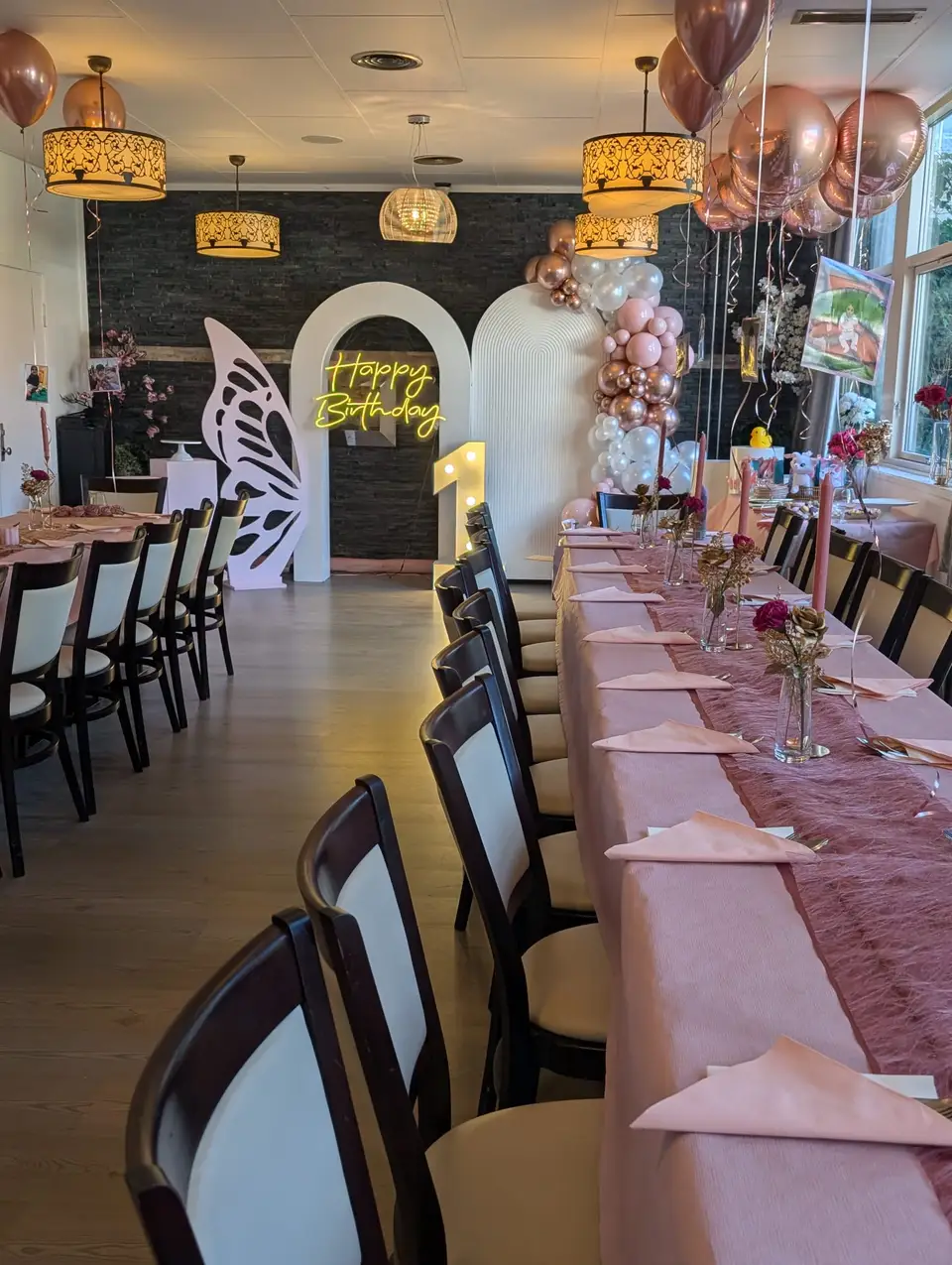
Copenhagen Airport to Højdevej 59 is 4.90 km. Your uncle will spend longer in the queue at passport control than he will spend travelling to the party afterwards.
That is the good news, and it is worth sending to everyone who is flying in, because most of them picture an airport an hour from everything. The part that does need your attention is not the route. It is when they land, what they are carrying, and what we need to know about them before the day.
The trip from the terminal is short, and it stays on Amager
The airport is on Amager. So is the hall, at Højdevej 59 in 2300 København S. A guest arriving by plane travels up the island to us and never crosses the water or the city centre, and the same metro line that serves the terminal carries on through the neighbourhood, so there is no connection to puzzle out with a bag in each hand.
Two of the stations near us sit in fare zone 1 and one sits in zone 3, while the terminal is out in zone 4, which is the only detail a visitor at a ticket machine really needs. The walking routes, the bus stop two minutes from the door and the line 8A detail are all set out in our guide to arriving by metro and bus, and the wider picture of the location is on our page about the hall on Amager. Send one of those links once and you can stop answering the question.
Arriving from Copenhagen Central Station is a comparable hop, 4.59 km, which is the useful thing to tell family coming by train from Jutland at the same time. Both gateways are close. Neither guest has the harder trip.
Work backwards from the landing time, not from the party
Here is the arithmetic that catches people out. A flight landing at nine in the morning does not produce a guest at nine. It produces one at ten or half past, after the walk through the terminal and the wait at the belt, and then there is a hotel to find and a suit to change into.
So do the sum in reverse. Take the hour the party starts, subtract the time to get here, subtract an hour to change, subtract an hour for the hotel, and subtract an hour and a half from the moment the wheels touch down. If the answer lands before the flight does, that guest is arriving mid-celebration with a bag.
Anyone with a job on the day should fly in the day before. The person giving the speech, the aunt bringing the cake, the friend who is doing the music: one delayed flight removes them from the plan entirely, and there is no way to rebuild a programme at short notice around someone who is still in the air.
Guests landing late in the evening are the easy case, because public transport here runs through the night rather than stopping at midnight. We have written about what that means for the end of an evening in does the metro run at night.
The suitcase is the real problem, not the distance
Almost every arrival that goes wrong goes wrong because of luggage. A guest who lands in the morning for an afternoon party has hours to fill and a case to push around, and the hotel room will not be ready until the afternoon.
Fix it before anyone books. Most hotels will keep bags from the morning even when the room is not, so tell your guests to ask about it when they reserve rather than on the day. If someone is coming to us straight from the terminal, tell us in advance so we can expect cases along with the coats. Ours is one room, laid and dressed for your party, and the difference between a calm arrival and a cluttered one is usually a message sent a week earlier.
The same applies to anything awkward in the hold: a national dress that needs hanging, a cake in a box, an instrument.
What we need to know about a guest we have never met
Guests who live nearby fill in their own gaps. Guests who arrive from another country cannot, so the host has to do it for them.
Two answers are worth collecting early. The first is what they eat. Ask it once, in the same message as the flight question, because a relative who lands on the morning of the party has no way to raise it later. Any menu can be made fully vegetarian, and since our kitchen is inside this building, a late adjustment is a conversation with the cook rather than a change to an order placed elsewhere.
The second is how old the children are. Children aged 5 to 12 pay half the menu price. Ages therefore change the figure we cook to, not only the seating plan, and a family travelling with three small cousins is a different booking from a family travelling alone. Our prices and inclusions page explains how the per person figures fit together.
Where they sleep, and why it should be this side of town
There are places to stay within roughly one to two kilometres of us, on streets around Amagerbrogade and out towards the water, and staying on this side of the city is what makes the end of the night easy. A guest walking home in twenty minutes is a different guest from one working out a route across town at one in the morning.
Tell your relatives to book directly, and early. August has been the most popular wedding month in Denmark since 1995, and hotel rooms on Amager go the same way as hotel rooms anywhere else when a season is busy.
Then send one plan rather than three options. Out of town guests who are given a single instruction follow it. Guests given a choice will hold a group chat about it instead, usually at midnight, usually with you in it.
If you are planning a celebration with family flying in, see what a booking includes or book a visit and see the room they would be arriving into.