
How late can a party run, and when does the music stop?
23 September 2026 · 5 min
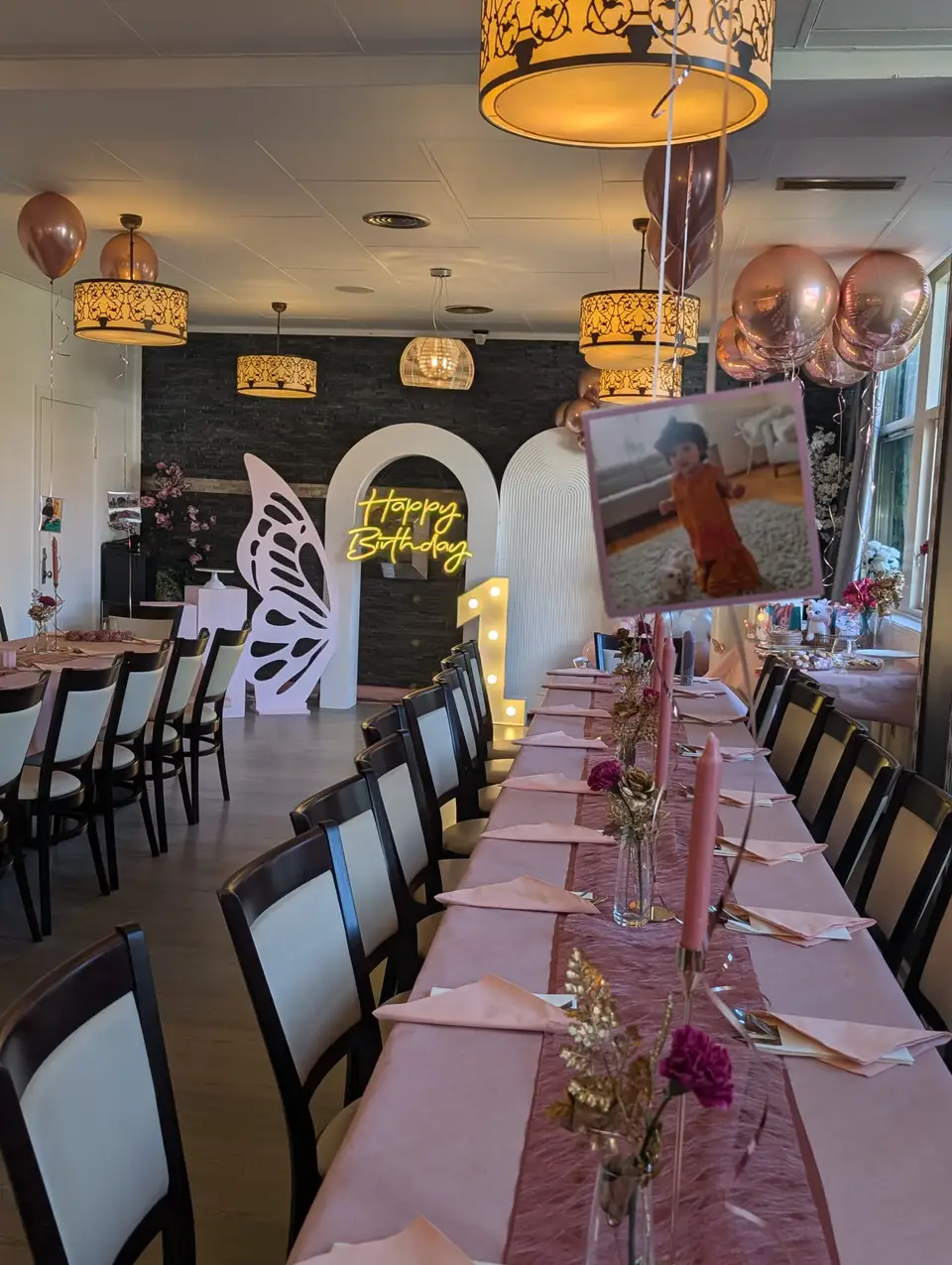
Ask a venue what time your party has to finish and you will usually be given one number. Ask for the same thing in writing and two numbers often come back, because a set of terms tends to hold two separate deadlines that hosts hear as one: the hour the music has to stop, and the hour the room has to be handed back.
The distance between those two is where the last part of an evening actually lives. It is also where the confusion happens, somewhere after midnight, with coats to find and a taxi idling outside.
A hall has two closing times, not one
Read any Danish venue agreement slowly and the wording separates. Music, amplified sound and a dance floor belong to one time. Guests leaving, glasses being collected and the doors being locked belong to a later one. Sometimes a third appears, quieter than the others: when you may come back for your own decorations, cake stand and leftover bottles.
Hosts plan against the first number and are then surprised by the second, and the reverse happens just as often. If the music stops an hour before the room closes, that hour is not dead time. It is when people talk, finish the coffee and say goodbye properly.
So ask in this order, and get the replies in an email rather than across a counter:
- What time does amplified music have to stop?
- What time does the last guest have to be out?
- Can either be extended, and does that have to be agreed before the day?
- When may we collect anything we leave behind?
Four questions, one reply, and the end of your evening is settled before the invitations are printed. Our frequently asked questions answer them for this hall, and they are the right questions to put to any venue on your list.
Count the evening backwards, not forwards
Almost every running order gets written forwards from the invitation time, and the end of the night is whatever is left over. Turn it around for ten minutes and the plan improves.
Start at the hour the music stops. Work back through the things that have to happen while the whole room is still standing: the last dance, the cake, any late speech. Keep going back through the dancing, the change of gear from dinner to music, the dessert and the coffee. Whatever time you land on is when dinner has to be finished, and that tells you when it has to start.
Done this way, the pinch shows up early, while it is still a matter of moving one line. Done forwards, it shows up as a host at eleven o'clock quietly cutting the cake out of the programme. If your menu is a seated three courses, the hour by hour running order gives you the shape to count back through.
One more thing that belongs in the backwards count. Families with young children leave early whatever the contract says, and older relatives not long after. Put the parts of the evening everyone should see, the welcome, the main speeches and the cake, well inside the first half. The later hours belong to the guests who want them.
Keeping the sound where it belongs
An indoor party in a city neighbourhood is a good neighbour by default, as long as a few small things are done on purpose.
Sound leaves a building through open doors, not through walls. A door propped open for one warm evening in June carries a bass line further down the street than the volume knob ever will, so keep it shut once the music is up and let the smokers use one door rather than three.
Goodbyes are the other one. Fifty people saying goodnight at once on a pavement is louder than the dance floor was, and it happens at exactly the hour when it is least welcome. Say your farewells inside, in that hour after the music stops, and let people leave in twos and threes. Free parking on site helps here more than it sounds like it should: departures happen in our own yard rather than up and down the street.
Sound inside the room is worth a thought too. The hall has a hard floor, so a full room is a lively one. Do the speeches before the volume goes up rather than against it, and use the sound system that comes with the hall rather than a speaker brought from home.
What actually ends an evening, if not the clock
In most cities the honest answer is transport. The last train sets a curfew, the room empties in one anxious wave at half past midnight, and the host never gets the end they planned.
That is not the pressure here. The metro on this side of Amager runs through the night, every night, and a bus stop sits two minutes from the door on Kastrupvej, served around the clock. We have written about getting home after a late party in detail. The practical effect is that the only finishing time that binds you is the one in your own booking, which is a good argument for reading it carefully.
How an evening ends at Højdevej 59
Three things about this hall change the shape of the last hour.
The kitchen is in the same building, so late coffee, a second round of dessert or a plate of something warm at the end of the dancing is a conversation with the people already cooking, not a delivery that closed at nine.
There is one room, seating 30 to 120 guests, so the reset from dinner to dancing happens where everyone is standing, and so does the wind down at the end. Nobody is left in a second room wondering where the party went.
Staff and cleaning sit inside the hall fee, along with decoration, sound and projector. That matters at the end more than at the beginning: when the last guest goes, the clearing up is ours, and you leave with the cake stand and the flowers rather than a broom.
Tell us which date you are weighing up, and we will put both end times in writing before anything is signed. Book a visit to see the room at Højdevej 59 in the evening light, or call us on +45 21 95 92 92 and we will work your programme backwards from its last hour.