
How to celebrate Holi in Denmark
16 November 2026 · 5 min
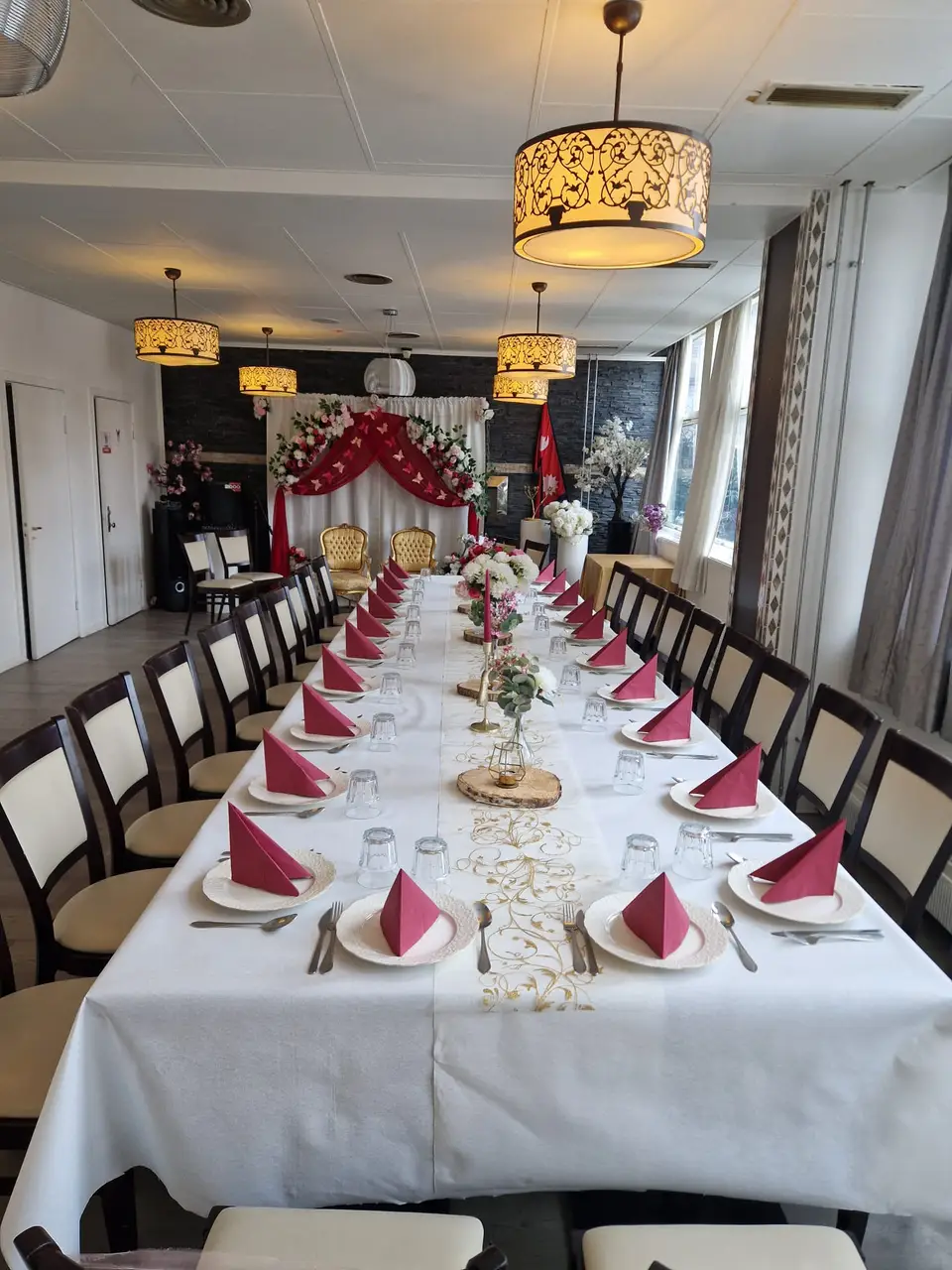
The colour is the easy part. Open a packet of gulal in the open air, and the rest takes care of itself. What takes planning is the twenty minutes afterwards, when thirty or forty people are damp, bright pink and cold, and somebody has to get them warm and fed.
Holi follows the lunar calendar, which puts it at the end of winter here rather than in anything a Dane would call spring. Plan around that honestly and the day works beautifully. Pretend otherwise and the whole thing turns into standing about in a car park.
Why the colour and the dinner belong in two different places
Gulal does not stay where you throw it. It rides on hands, hair and sleeves, settles into textiles, works its way into grout and under doors, and turns up on a chair four days later. That is part of its charm outdoors and a genuine problem indoors.
So the shape that works in Denmark is two halves with a gap between them: colour outside, then dry clothes, then a meal inside. You need an outdoor space you are actually allowed to use, whether that is a garden, a courtyard, a corner of a park or a yard behind the building, and then somewhere indoors that is warm, set up and waiting.
The gap matters as much as either half. It is the difference between guests who stay for the evening and guests who go home to shower and never come back.
What to settle with a venue before you buy any powder
Ask these questions before you put money down anywhere, and get the answers in writing:
- Is coloured powder allowed on the premises at all, and if so, where exactly?
- What is the floor made of, and what covering is permitted on it?
- Where can guests change, and where do bags of wet clothes go during dinner?
- What does the cleaning after the party actually cover?
- Can the meal start later than planned if the colour runs long?
None of that is unreasonable to ask, and a venue that will not answer it plainly is telling you something useful.
For our part, the hall fee here includes decoration, sound system, projector, staff and cleaning, which covers an ordinary party without anybody counting serviettes. A Holi day is not an ordinary party, so it is a conversation to have with us before you book rather than an assumption to make on the day. The hall is one room on Højdevej taking 30 to 120 guests, laid out fresh for each booking, and we would much rather plan the colour with you than find it.
A running order that fits the daylight you get
Danish daylight at the end of winter is short and the warmest hour sits in the middle of the day, so a Holi that starts after lunch has already lost. Build the day backwards from the light:
- Late morning: guests arrive, leave bags, hear the rules, go outside.
- Midday: the colour, for as long as it stays fun. It is usually shorter than people expect.
- Early afternoon: half an hour to change, wash hands and faces, and get warm.
- From there: food on the table straight away, then music, then the long tail of the afternoon.
One small practical thing that matters more than it sounds: we have free parking on site, which is not a given in this city. Guests can leave a bag of dry clothes and clean shoes in the car and collect it when they come in, instead of carrying it around all morning or trusting it to a hook by the door.
What to feed people who have just come in cold
Food after Holi has one job, which is heat. Cold fingers, damp hair and an hour outside call for something that goes down in one hand and arrives steaming.
Our kitchen is in the same building, so the food does not travel. Jhol momo is the obvious thing to put out first: steamed dumplings with a thin spiced broth poured over them, which warms people from the inside before they have taken their coats off. Dal bhat tarkari does the same job on a plate, lentil soup, rice and vegetable curry together, with refills taken as normal rather than as a favour. Sekuwa, charcoal grilled marinated meat from the eastern hills, is the one people come back to the counter for.
Spice is the question Danish guests always ask, and the answer here is straightforward. Chilli sits in the achar beside the food instead of being cooked through every pot, so each guest sets their own strength at the counter. Any menu can be made fully vegetarian. What goes into each one is laid out on our catering page.
Making it work for guests who have never played Holi
Most Danish friends and colleagues will say yes before they understand what they have agreed to, so tell them plainly:
- Wear clothes you are happy to lose. White shows the colour best and never recovers.
- Bring a full change, including shoes and a towel.
- Dry powder only in this climate. Water belongs to a warmer latitude.
- Ask before you colour someone, every time, including children.
And leave an exit. Some guests come to eat and watch, not to be covered, and there should be somewhere they can stand and stay clean without having to explain themselves. A grandmother in good clothes should be able to see the whole thing from a doorway and still be the first person sitting down to lunch.
If you are planning Holi in Copenhagen and want to know what a hall on Amager can take, come and see the room and ask us the awkward questions. Our prices set out what the hall fee includes, and the kitchen will tell you exactly what comes out of it first.